Looking for a special non-profit

Agile’ provides marketing services to small- and medium-sized businesses. I also provide services to non-profits.

I’ve decided to bring on one more non-profit client for 2024 and beyond. I’d like to ask for your help in suggesting an organization which Agile’ might be able to help. Ideally, I’m looking for –

  • a non-profit (need not be a charity)
  • with a budget under $250K
  • anywhere in the US

For the right non-profit, I’m willing to offer –

  • a $1/year contract for services
  • an audit of their current marketing efforts
  • social media post design and scheduling
  • email/SMS list creation & management
  • website design, hosting, and management
  • copywriting
  • quarterly media releases
  • online giveaways
  • staff and event photography (within driving distance of Syracuse, NY)
  • limited fundraising activities
  • Facebook advertising at-cost
  • other specialized marketing services

If you know of an organization that needs new or additional marketing assistance with their mission, I’d like to ask for a mutual introduction between their director and myself by end of business on Friday, October 27th. I’ll spend November learning about the referred non-profits and their staff, and they and I can mutually decide if it’s a good fit.

If you personally don’t know of a non-profit that could use help with their marketing, feel free to mention my offer to your connections.

Thanks for your time and attention! I look forward to hearing your positive reply.

LinkedIn: What the hell’s the point?

Image courtesy USC ANNENBERG SCHOOL FOR COMMUNICATION AND JOURNALISM

LinkedIn isn’t quite like “Facebook for business,” although you can waste hours there reading posts, watching videos, and participating in arguments – er, I mean discussions. It’s also not meant to be a digital version of the Old Boys Network.

It’s very confusing when you’re introduced to it. “There it is! Isn’t it glorious?”

“Yeah, but what do I do here?”

According to their own stats, by May of 2023 LinkedIn had over 930 million users. But what are all those people doing on LinkedIn?

The Questions

The way I see it, there are three questions worth asking about LinkedIn:

  1. What is it?
  2. Why do I want to be on it?
  3. What good can it do for me?

What is LinkedIn?

LinkedIn calls itself “the largest professional network on the internet.” But that’s just a description. Once you sign up for LI, you can post a biography and job history, along with a list of skills in which you’re proficient. You can write short posts or longer articles, as well as read those written by others. You can also post video and audio clips. You can join groups built around shared interests (“Yak Fur Marketing”). There are pages run by companies, where owners and employees theoretically hang out.

A basic LI account “doesn’t do much.” In order to really use LI, you need a Premium (aka Paid) account to get access to stats & info on other businesses, generate leads, and send mail to people you don’t know. At least – that’s what folks (and LI itself) will tell you. That’s not necessarily the truth. You can accomplish a lot for yourself with a no-cost Basic account.

Why do you want to be on LinkedIn?

At its heart, LI is a professional network. It’s a singles bar for business people, where you’re meant to mix and mingle, get to know other folks and make friendly connections.

Note: I didn’t say “make friends,” I said “make friendly connections.” Making true friends is a bonus. LinkedIn’s idea is that by connecting with others, they make business people “more productive and successful.”

So, why do you want to have an account on LI? In order to be seen.

Why do you want to be active on LinkedIn? So that by networking, you can meet others, help them and receive help in turn.

What kind of “help?” Job assistance, or learning something new. Experiencing a different viewpoint. Meeting new friends, and finding out your interest (maybe in marketing yak fur?) isn’t as esoteric as you’ve been lead to believe. Maybe just to see a friendly face, to offer a comforting word or a sympathetic ear.

Connecting is much more than just collecting a list of names. There are millions of accounts that do only that, each one of them seeming to think, “I win the Internet because I have a bigger list of connections than you do.”

What good can you get from being active on LI?

It doesn’t matter if you have a Basic account, or a Premium one. The important point is to be active. By “active,” I mean that you interact with other people. Say hello. Congratulate them when they get promoted or change jobs, have a work anniversary or a birthday. Read their posts, and give them a “thumbs up” response when you finish. Better yet, leave a short written comment (hopefully positive, if you can) to let the author know you read their words or watched their video, and considered them.

One of the best ways to get noticed is by noticing others. That is, interact with the content they’ve produced (posts, articles, videos, etc.) and demonstrate you’ve consumed it. Respond – hopefully in a positive manner. Give it a “thumbs up,” comment, or share it. Essentially, you want to be seen being a good connection. Promote others, do positive things for them – help them – and you’re likely to be helped in turn. If you can, create some content to share on LI, and let your connections know it’s there.

As they say, a rising tide lifts all boats.

What’s next?

I’d love to have your comments. Please feel free to ask questions as well. I’m just one guy out of 930 million with my own ideas and opinions, and I’ll happily give you my answers. And feel free to visit my personal LinkedIn account.

Important Parts of an Advertisement

Advertisements are a ubiquitous part of our lives. They’re on TV, on the radio, in newspapers and magazines, and online. But what makes an advertisement effective? What are the key elements that make an ad stand out from the crowd?

There are many different elements that can contribute to the success of an advertisement. But some of the most important include:

  • A catchy headline: The headline is the first thing people will see, so it’s important to make it count. The headline should be attention-grabbing and should give people a reason to read the rest of the ad.
  • A strong image: Images can be incredibly powerful in advertising. They can help to convey the message of the ad and can also help to make it more memorable. When choosing images for an ad, it’s important to select ones that are relevant to the product or service being advertised and that are also eye-catching.
  • Clear and concise copy: The copy is the text that appears in the ad. It’s important to make sure that the copy is clear, concise, and easy to understand. The copy should also be persuasive and should make people want to take the desired action, such as buying the product or service being advertised.
  • A call to action: The call to action is the final element of an advertisement. It tells people what you want them to do, such as visit your website or call your phone number. The call to action should be clear and easy to follow.

By incorporating these key elements into your advertisements, you can increase your chances of success and reach your target audience.

In addition to these key elements, there are a few other things you can do to make your advertisements more effective:

  • Target your audience: It’s important to make sure that your advertisements are targeted to the right audience. If you’re not sure who your target audience is, you can conduct market research or use social media to find out what people are interested in.
  • Use social media: Social media is a great way to reach a large audience with your advertisements. You can use social media platforms like Facebook, Twitter, and Instagram to share your ads and to connect with potential customers.
  • Use video: Video is a powerful tool that can help to grab attention and convey your message. You can use video to create commercials, explainer videos, or even product demos.
  • Use influencers: Influencers are people who have a large following on social media. You can partner with influencers to promote your products or services. Influencers can help to reach a wider audience and can also help to build trust and credibility for your brand.

By following these tips, you can create advertisements that are effective and that help you to reach your target audience.

Teaching Online – Do I Need an LMS?

Do you need an LMS?

Let’s imagine you’ve got an online clothing store.  Since you know it’s best to service a niche, you’re selling clothing and accessories for Renaissance Faire actors and fans.  You’ve got clothing for men and for women, peasants and royalty, merchants and musicians.  Plus, all sorts of accessories like bags and belts, sashes and hats.  You’ve been able to connect with your target audience, and it’s going pretty well.

You decide it’s a great idea to add online courses to your store.  You’ve had a number of customers and prospects ask questions like, “What else do I need for this outfit?” and, “How do I wear this clothing?”

You could create a series of text and video lessons on wearing each item, and offer a corresponding lesson with the purchase of each clothing item.  However, you wouldn’t really need an LMS (learning management system) for that.  You’d either offer the lesson for free, or offer it as an inexpensive upsell (“Normally $9.99, add it to your order for only $2”).

Whether or not you decided to offer those specific videos, you could also add in a series of lessons – or a complete course – covering a complimentary subject.  For instance, you could offer a course on “the care and cleaning of RenFaire clothing.”  You might have a series on “finding period accurate accessories,” or even something specific like “caring for suede boots and clothing.”  You could charge for each, bundle them together at a discount, or offer them for free.

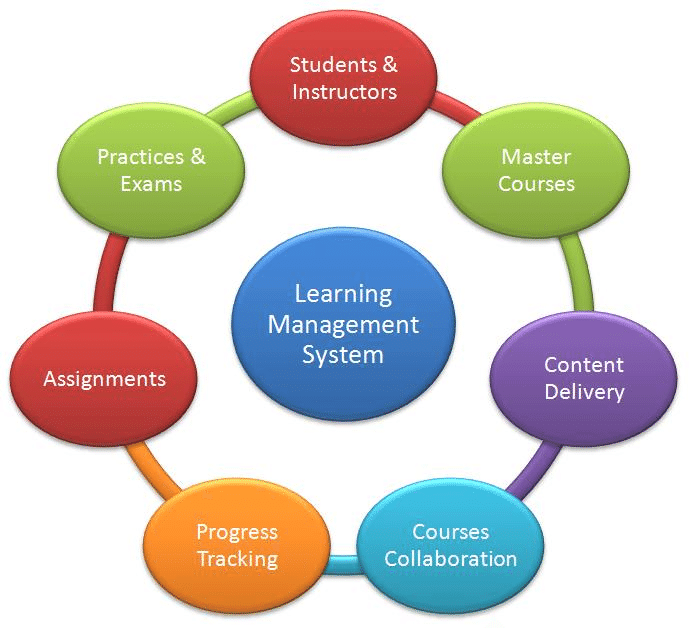
My point is this: for a series of connected or interconnected lessons, it’s easier to create, manage, and dispense them through an online learning platform.  However for one-off lessons, or a set of directions, you don’t really need a structure.  You can simply connect the lessons to an object (“Learn to tie your scarf – click here to watch the video”), or just add a link to a web page, a text, or in an email.  Yes, technically it’s still “teaching online,” but it’s not about the lessons themselves.  The questions are: does my intended audience want to receive multiple connected lessons over time?  Now, or in the foreseeable future, do I want to create enough content to become a series of interconnected lessons?  If either of those are true, then you’ll want some or all of the structure of an LMS.

Teaching Online – Part 5

Structure 2 – A Bigger Picture

Earlier, we looked at the structure of your lessons.  I advised you to start with a single, simple lesson and grow from there.  Over time, you’ll accumulate enough content to create modules, then courses, and perhaps even a whole program.

Add-on or brand new?

During these articles, I’ve tried to talk about teaching online as if you were adding it to an existing business or enterprise.  However, you can offer an educational experience that has nothing to do with your primary business.  You can sell car parts, and create a platform to learn car repair, or you can pivot and teach cake decorating.  You could offer the car repair lessons directly from your existing website, but the cake decorating lessons will need their own structure separate from the car parts.

Is your intent to provide lessons for existing customers, to enhance what they’re already purchasing from you?  Or do you want to provide a complimentary educational experience for existing and possibly new clients?  Providing lessons on replacing parts enhances your business selling car parts, while a program on how to apply a custom paint job may draw in some customers already buying car parts, and will draw in others who may not be customers, but who are interested in painting their own vehicle.

One course and beyond

Once you’ve created a whole course and begun selling it, where do you go from here (assuming the course is providing a return on your investment)?  As you’ll quickly learn while trying to design and populate your first lesson, running an educational platform requires time, focus, and perseverance.  It can quickly become a business of its own.

So, do you add more resources to building and running an educational platform?  Do you let it remain as it is?  Or, when interests – yours, your customers, or both – have waned, do you pull it down and scrap it?  Perhaps even sell it off down the road?

These questions aren’t an academic exercise.  When you’ve built a platform, and it has any kind of success, you’ll have to come up with your own answers to them.

Alternatives to Doing It All Yourself

Rather than building your infrastructure from the ground up, there are several alternatives for nearly every step of setting up and running an online educational program.  There are companies that run platforms, build media from your content, process payments for you, and market your courses.  And consultants to handle as many of the choices and steps as you need.

You must, however, decide on the lesson and course content yourself.  You can hire someone to write the text and scripts if you want to.  As they say, if you have enough money, you never have to work.

Content

As long as you know what you want to teach, you can hire folks to research topics and write text documents or audio/video scripts.  You can hire folks to create graphics, put together slide decks, and edit video segments.  You can either hire people to do voiceover work, or buy a program that will provide AI narration from a script.  You can convert from speech to text, or from text to speech, and there are programs that will animate a person talking for you.

Platform

I set up educational platform software – also called Learning Management Software, or LMS – on websites controlled by my clients.  However, there are solutions like Udemy and Teachable that provide you with a structure you can just fill in.  Other software like Blackboard and Moodle are built with a more traditional teaching structure in mind, and can share content modules across platforms (aka SCORM).

Almost every site I build for clients is based on the WordPress CMS (Content Management System/Software).  I have licenses for both the LearnDash plugin, and Wishlist Member, which has an LMS add-on, but there are other plugins like LifterLMS and SenseiLMS.

Payment

If you choose an option like Udemy or Teachable, you’re stuck with the payment processor they use.  Then again, you’re also paying them to host you, market your courses (to some extent), and deal with some of the questions and complaints people taking your course might have.  I’m based in the US, as are all the clients I have running online courses.  I prefer to use Stripe to process credit cards, with a backup system of PayPal.  However, those solutions are not available world-wide.  Ultimately, you’ll have to decide if you want to go with a hosted solution that collects payment for you, or deal with finding a processor on your own.

Consultants

If you want to hire someone to help you with one aspect of setting up an online teaching platform, it’s easy to find them.  If you want to hire someone to help you decide what to offer, and which platform to use, you can find those folks, too.

Basically, there are freelancers that will help you with one part, or consultants that will help you with the whole darn thing.  As I said, if you have enough money you never have to work.  One way or another, you can solve any problem – or at least avoid any obstacle – if you throw enough money at it.

Full disclosure: I help entrepreneurs and small businesses set up online learning platforms, and I charge for doing it.  There are recurring costs, but if you target the right audience with the correct solution, that shouldn’t be a problem.

Aside from the costs of platform software and other tools, how much will this cost?  It depends.  You can probably spend as little as $500 for a freelancer, and as much as $15,000 on a consultant.  It all depends on how much work you do on your own.

When I started Agile’ Marketing Services, I decided on an 80%/20% work rule.  When a client hires me, one of us does 20% of the work, and the other does 80% of the work.  Approximately.  I find that when you each do half the work, a lot of finger-pointing happens, and both blame and honor are tossed around like confetti.  With an 80/20 rule, there’s a lot more emphasis on positive results than on who’s at fault.  I strongly suggest that, if you hire a consultant, you hammer out all the details in writing before paying dime one.

Where can you find freelancers?  My favorite spot is Fiverr.com .  You can find voiceover artists, graphic artists, someone who will create charts and data graphs, and folks who will edit screen recordings and provide you with a cartoon image of your face.  There are other sources, like Guru.com, Freelancer.com, and a hundred other sites.

As far as consultants to carry out the “heavy lifting,” I would decide on which platform you want to use (or at least narrow down the list to no more than 3 platforms) before searching for someone.  Search support or fan groups on Facebook for that platform, Google “{platform-name} consultant,” or simply ask the solution provider for a list of consultants certified to work with their solution.

Marketing

Marketing can be defined – in a broad sense – as getting information about you, your products, and services in front of people who have an interest in them.  No matter what any online learning platform company says, this is ultimately up to you.  Only you know who is a prospect for your lessons and courses.  It may take some research to find them, and they may not be who you think they are.

You have to let people know you exist, that your lessons are available, and help them determine that they will be of value in their lives.

Entire schools and graduate programs exist regarding the field of marketing – there’s no way I can do it justice in a couple paragraphs.  Just know that you’re responsible for letting people know about your business, and your courses.

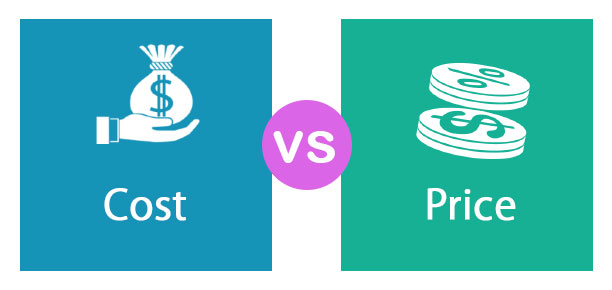
Price vs Cost

Ultimately, you’ll have to weigh your options on every aspect of teaching online, from the software to the time invested in creating your content and building your lessons, courses, and possibly even school(s).

Briefly, the price of anything is the amount of money that you have to take out of your pocket (or get someone to invest) in order to buy a solution.  You may be able to buy video editing software, or word processing software that will output a finished PDF.  The cost of something is everything you have to give up, or invest yourself, in order to accomplish a goal.  Time will always be your biggest cost, along with effort.  You can use the video editing software you bought, but you have to invest the time to create the content for the video, find a place to host the clips, and test the whole process to make sure it works.

At some point, you’ll have to make a decision on creating online educational content is worth both the price and the cost.  What will the return on your investment of your time and money be, and is it worth it?

What’s Next?

For now, this is the end of my written series on teaching online.  I hope you’ve enjoyed it, and found it both educational and useful.

The 4th Quarter is very busy for me – helping clients with Black Friday and other holiday promotions, along with planning for the 1st Quarter of next year.  However, I do find a bit of time for my own projects.

I’m planning on releasing an online course in mid-January 2023.  The subject: Building Your First Lesson Using the LearnDash Plug-in.

If you’re interested in learning more about the course as we get closer, please fill in the form below.

.

Read part 1 here. Read part 2 here. Read part 3 here. Read part 4 here.